A single leaking faucet can waste about 3,000 gallons of water a year—roughly 50 bathtubs. In a place like Leeds, Alabama, where many homes sit on slab foundations and summer humidity is relentless, plumbing issues don’t just inconvenience; they escalate fast. Whether you’re dealing with a mysterious spike in your water bill, a water heater that won’t keep up after a football practice, or a sewer line invaded by roots, the stakes are real. Reliable plumbing keeps day-to-day life moving and protects your home’s value.
This hub breaks down how plumbing works in Leeds, what local conditions mean for your pipes, what services typically cost, and how to decide who should tackle the job. Expect practical steps you can use right away, insider tips I’ve learned on the job, and clear explanations of permits, licensing, and code basics. If you want fewer surprises, smarter maintenance, and contractors who do it right the first time, you’re in the right place.
Comprehensive Overview
Leeds, Alabama straddles Jefferson and St. Clair counties, with a population just over 12,000 and a housing mix ranging from mill-era homes to newer subdivisions. A good chunk of local housing sits on concrete slabs; that matters because leaks often stay hidden until they damage floors, cabinets, or the foundation. Central Alabama averages about 50–55 inches of rain annually, and intense downpours can stress storm and sewer systems. Add clay-heavy soils and mature trees, and you get a common regional headache: root intrusion into older clay or cast iron sewer laterals installed before the 1970s.
Plumbing systems have two main sides: pressurized supply lines that deliver potable water, and drain-waste-vent (DWV) lines that remove wastewater and allow air to prevent siphoning. In Leeds, most homes are tied to city or county water and sewer, but pockets rely on private wells or septic systems—especially on the outskirts near rural tracts. That distinction drives service needs: city-sewer homes frequently need camera inspections and spot repairs; septic homes require scheduled tank pumping, typically every 3–5 years for a household of four.
Why does this matter now? Three trends: First, extreme cold snaps are less common here but more disruptive when they hit; the December 2022 freeze prompted a wave of burst pipes across central Alabama. Second, home upgrades—like moving from 40-gallon to 50-gallon electric water heaters or installing tankless systems—require code compliance and sometimes electrical or gas changes. Third, tighter codes and licensing enforcement mean your contractor’s credentials directly affect your permit approvals and insurance claims.
On costs, typical non-emergency plumbing work in the Birmingham–Leeds area ranges $85–$125 per hour, with after-hours or emergency rates often jumping to $150–$300 for the initial call. Common projects: replacing a standard tank water heater runs $900–$1,700 installed; tankless systems are usually $2,000–$3,500 depending on fuel type and venting. Sewer camera inspections often cost $200–$500; hydrojetting to clear heavy roots or grease can be $400–$800. Being prepared with accurate details—age of home, type of foundation, water heater fuel, and location of the main shutoff—makes service faster and less expensive.
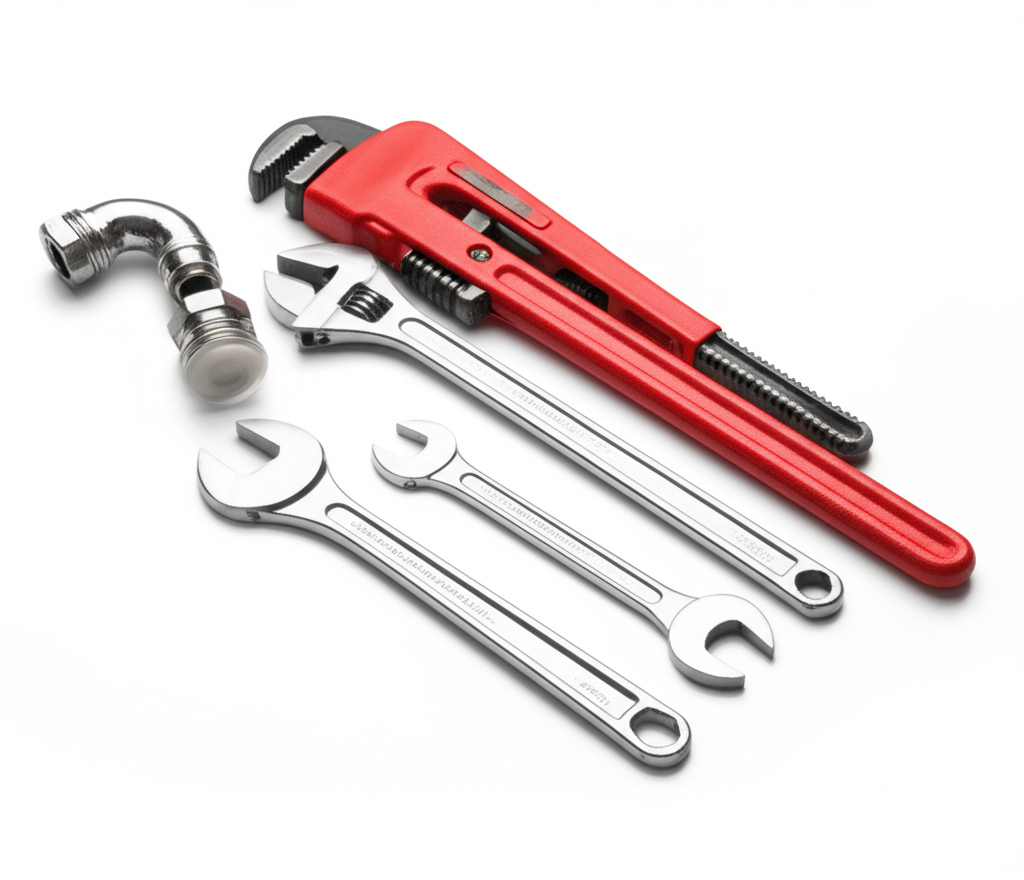
Related: Plumbers in Leeds Alabama kit
Key Concepts & Fundamentals
Licensing and Permits in Alabama
Plumbers in Alabama are licensed by the state (Board of Plumbers and Gas Fitters). You’ll commonly see “journeyman” or “master” designations. A master plumber can pull permits and supervise work; a journeyman generally works under a master’s license. For gas work—including gas water heaters, gas lines to ranges or outdoor grills—expect permit requirements and inspections. In Leeds, work affecting the water heater, gas piping, or major drainage changes typically triggers permitting. Verified licensing matters because it protects you on code compliance and insurance.
Supply vs. Drain-Waste-Vent (DWV)
Supply lines are pressurized; leaks show up as spikes in your bill, damp spots, or hissing sounds. In slab homes, a hot-water slab leak can feel like warm flooring or cause unusual condensation. DWV isn’t pressurized, so problems show up as slow drains, gurgling, sewer gas smells, or backups. Venting is essential—the vent stack lets air balance the system so traps don’t siphon dry. In older Leeds homes, undersized vents or improper traps from past DIY work are common causes of chronic slow sinks or odors.
Water Heater Types and Sizing
Most Leeds homes use 40–50 gallon electric tanks. If you have a larger family or a soaker tub, 50 gallons or a high-recovery unit helps. Gas tankless units can deliver 7–9 gallons per minute, enough for two showers and a dishwasher simultaneously, but they require proper gas line sizing (often 3/4" or more), venting, and sometimes electrical upgrades for controls. Expect installation to take 3–6 hours for a tank replacement; tankless conversions can run a full day depending on venting and gas routing.
Septic vs. City Sewer
Leeds includes neighborhoods on city sewer and outlying properties on septic systems. Septic tanks typically need pumping every 3–5 years for a family of four; add a garbage disposal and you’ll shorten that interval due to solids. Drain fields in clay-heavy soils need careful water management—fixing leaky toilets that add 200–300 gallons per day can overload a field. City sewer customers should watch for root intrusions at the lateral near the property line; camera inspections reveal offsets, cracks, or bellies (sags) that collect debris.
Materials: What’s in Your Walls and Under Your Slab
Older homes may have galvanized steel supply lines (prone to corrosion and low flow) and cast iron or clay for sewer laterals. Many 1990s–2000s builds use copper or PEX supply and PVC DWV. If your home still has polybutylene (PB), commonly found in late 1970s–1990s builds, consider a repipe; PB is known for premature failures. PEX repipes for a 2–3 bath home often run $4,000–$8,000 depending on access and fixture count, and can drastically reduce hidden leak risk.
Related: Plumbers in Leeds Alabama tool
Practical Guidance
How to Choose a Plumber in Leeds
Start with licensing: ask for the master plumber’s license number and verify it matches the business name on your invoice. Request proof of general liability insurance. Then, describe your home setup precisely—slab or crawlspace, gas or electric water heater, number of bathrooms, and any past problems. A good plumber will ask pointed questions: exact symptoms, age of fixtures, previous repairs, and where the main shutoff is. If they don’t, that’s a red flag.
Emergency Steps Before You Call
Know the main water shutoff. In many Leeds slab homes, it’s in a curbside box with a meter key or in a utility closet by the water heater. If a pipe bursts, shut the water at the meter and open a few faucets to relieve pressure. For a sewer backup, stop using water and avoid running dishwashers or washers—these can flood floors fast. Turn off power to an electric water heater at the breaker before draining or servicing it; for gas, locate the gas shutoff valve on the supply line and close it.
Preventive Maintenance Schedule
Every 6 months: check toilet flappers (replace if they hiss or if dye-test leaks), and clean aerators. Annually: drain a couple gallons from the water heater tank to flush sediment; test pressure-reducing valve output (ideal household pressure is 50–60 psi); inspect exposed pipes and hose bibs for corrosion. Every 2–3 years: camera-inspect older sewer laterals, especially if you have mature pines or oaks. For septic, schedule pumping every 3–5 years depending on household size and disposal usage.
Typical Costs and Timeframes
Expect $85–$125 per hour for standard service calls in the Leeds area, with an initial diagnostic often billed at 1 hour. After-hours or weekend emergencies frequently add $150–$300 as a call-out fee. Common jobs: toilet replacement (2–3 hours, $300–$700 installed depending on model), garbage disposal installation (1–2 hours, $200–$500), leak detection (1–2 hours, $150–$400), slab leak repair (highly variable; spot repairs $800–$2,500, reroutes $2,000–$5,000+). Full repipes, as noted, can range widely based on access.
Related: Plumbers in Leeds Alabama equipment
Local Scenarios and What to Watch For
Freeze-related bursts: insulate exposed pipes, especially hose bibs and attic runs; keep a pencil-thin drip on especially cold nights if pipes aren’t insulated. Root-prone yards: consider a cleanout installation near the property line for faster service and routine hydrojetting. High water bills without visible leaks: suspect slab hot line leaks or running toilets; a 0.2 gpm trickle can add 288 gallons per day. New water heater installations: ensure a proper pan and drain for tanks in attics or closets, and check expansion tank requirements if you have a closed system with a pressure-reducing valve.
Expert Insights
In Leeds, the single most underrated factor is water pressure. I see homes at 80–90 psi because a pressure-reducing valve (PRV) failed quietly. High pressure accelerates leaks, shortens fixture life, and can cause water hammer. A quick test with a gauge on an exterior spigot tells you everything. If pressure exceeds 60 psi, install or replace the PRV and consider hammer arrestors at fast-closing fixtures like washing machines.
Another insider tip: for slab homes, reroutes often beat jackhammer repairs. Rather than open floors, many plumbers will cap the leaking line under the slab and run new PEX overhead through the attic, dropping into walls at fixtures. It’s cleaner, faster, and often more cost-effective. Also, don’t overlook venting. Chronic slow drains in kitchens sometimes trace back to an under-vented island sink; an air admittance valve (AAV) installed correctly can solve what snaking never will.
Common misconception: “Tankless means endless hot water with no constraints.” In reality, sizing and gas line capacity are critical. Undersized units or wrong gas supply cause lukewarm water under multiple demands. Pro move: measure simultaneous fixture flow rates and temp rise needs, then size to a realistic 70–80% of theoretical capacity for comfortable performance.
Things to Consider
- Licensing and Insurance: Work involving gas, major drainage changes, or water heater replacements typically requires permits and inspections. Choose a master-licensed plumber with active liability insurance.
- Foundation Type: Slab foundations complicate leak access. Budget for potential reroutes instead of slab openings; reroutes can reduce repair times to a single day.
- Water Pressure: Ideal household pressure is 50–60 psi. Install or replace PRV if you’re consistently above 70 psi to prevent fixture damage.
- Costs: Standard hourly rates run $85–$125; emergencies add $150–$300 call-out fees. Typical replacements: toilets $300–$700, disposals $200–$500, water heaters $900–$1,700 (tank) or $2,000–$3,500 (tankless).
- Timeline: Many repairs finish same day. Large jobs—repipes, sewer lateral replacements—can span 1–3 days, depending on access and inspections.
- Materials: Consider upgrading galvanized or PB lines to PEX or copper. PVC is standard for DWV; cast iron is durable but heavy and prone to internal scaling over decades.
- Septic vs. Sewer: Septic systems demand routine pumping every 3–5 years; city sewer often benefits from periodic camera checks in older neighborhoods.
- Appliance Loads: Large tubs or simultaneous showers need higher recovery or tankless capacity. Don’t forget electrical or gas upgrades when upsizing.
- Access and Cleanouts: Installing cleanouts speeds future service and reduces labor costs on sewer clogs or inspections.
- Preventive Maintenance: Annual heater flushing, pressure checks, and leak detection save money long term and catch small issues before they become slab leaks.
Frequently Asked Questions
How much does a plumber in Leeds typically charge?
Standard service rates are often $85–$125 per hour. After-hours or weekend emergencies may add a $150–$300 call-out fee. Many jobs have flat-rate pricing once diagnosed, but expect at least one hour for initial inspection and setup.
Do I need a permit to replace a water heater?
Yes, in most cases. Water heater replacements—especially gas units—require permits and final inspections. Expect the plumber to pull the permit; if they can’t, they likely aren’t master-licensed. Inspections verify proper venting, T&P discharge, pan and drain if required, and expansion tank when applicable.
What are signs of a slab leak?
Warm spots on floors (often on the hot side), unexplained high water bills, low water pressure, and the sound of running water when fixtures are off are common. In some cases, baseboards swell or flooring warps. Leak detection uses acoustic tools and pressure tests to pinpoint the issue before deciding between spot repair and reroute.
Should I choose a tank or tankless water heater?
It depends on household demand, fuel availability, and budget. Tanks cost less upfront ($900–$1,700 installed) and are simpler. Gas tankless systems deliver continuous hot water and save space but cost more ($2,000–$3,500) and may require gas line and vent upgrades. Proper sizing is essential either way.
How often should a septic tank be pumped?
For a family of four, every 3–5 years is typical. If you use a garbage disposal frequently or host large gatherings, shorten the interval. Neglecting pumping can cause field failure, leading to costly repairs and yard disruption.
Can tree roots cause sewer backups?
Yes. Roots infiltrate joints in older clay or cast iron laterals, creating clogs and slow drains. Camera inspections identify root intrusions; hydrojetting and spot repairs or liner installations address the problem. Installing and maintaining a cleanout simplifies future service.
What’s the best way to prevent frozen pipes in Leeds?
Insulate exposed pipes and hose bibs, and close crawlspace vents during cold snaps. Keep indoor temperatures consistent and allow a slow drip on vulnerable lines. Know your main shutoff and be ready to turn water off if a burst occurs during extreme cold.
Is it worth replacing galvanized supply lines?
Usually, yes. Galvanized pipes corrode internally, reducing flow and increasing leak risk. Replacing with PEX or copper improves reliability and water pressure. Repipes often take 1–3 days depending on access.
Conclusion
Plumbing in Leeds, Alabama is shaped by local realities—slab foundations, clay soils, and a mix of older and newer builds. With the right information, you can make confident decisions, avoid emergencies, and protect your home. Identify your shutoff, keep pressure in check, schedule preventive checks, and hire a licensed pro who pulls permits and stands behind the work. Start by documenting your system—heater type, foundation, fixture count—and use the guidance above to plan repairs or upgrades with fewer surprises and better long-term results.